Solar Energy
Why Solar Energy Is the Future of Power in Kenya
Mar 12, 2026
Admin
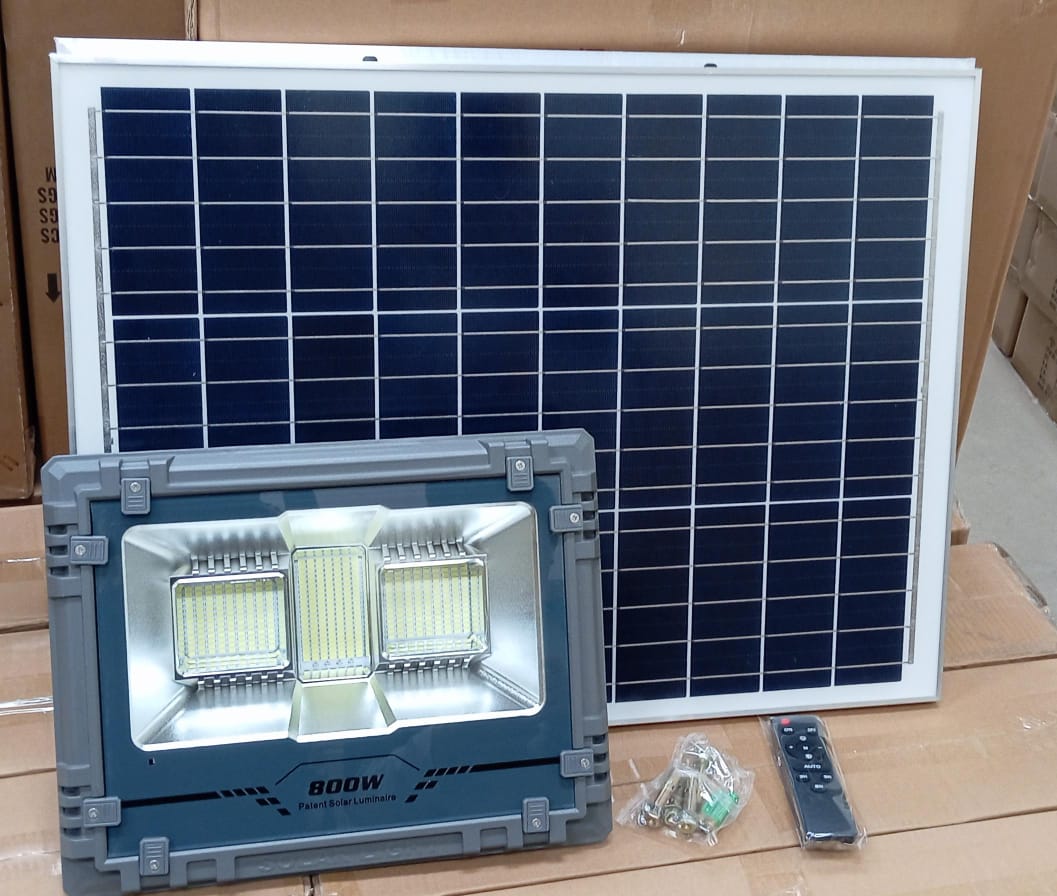
Discover how solar energy is transforming Kenya's energy landscape and why now is the best time to switch to renewable power for your home or business.
Kenya has long been a leader in renewable energy on the African continent, with geothermal and hydroelectric power forming the backbone of the national grid. However, the sun — our most abundant and evenly distributed resource — remains largely untapped by households and businesses. At Mamji Electricals Limited we believe solar energy is not just an alternative but the definitive future of power in Kenya. In this comprehensive guide, we explore why solar is the smartest energy investment you can make today.
The Solar Advantage: Why Kenya Is Perfectly Positioned
Kenya receives abundant sunshine throughout the year, averaging 5 to 7 peak sun hours per day depending on the region. This places the country among the best locations in the world for solar photovoltaic (PV) electricity generation. From the coastal plains to the Rift Valley and the central highlands, the solar resource is consistently strong and predictable.
Unlike hydroelectric power, which is vulnerable to drought, or geothermal, which requires significant capital and specialized drilling, solar energy can be deployed quickly, cost-effectively, and at virtually any scale — from a single panel on a rural home to a multi-megawatt commercial installation. This versatility makes solar uniquely suited to Kenya's diverse energy needs.
Falling Costs: Solar Has Never Been More Affordable
The global cost of solar photovoltaic modules has dropped by over 80 percent in the past decade. According to the International Renewable Energy Agency (IRENA), solar is now the cheapest source of electricity in history in many parts of the world. Kenya has directly benefited from these global trends.
Battery storage technology has followed a similar trajectory. Lithium-ion battery prices have fallen by nearly 90 percent since 2010, making it economically viable to store solar energy for use during cloudy periods or at night. A modern solar-plus-storage system can provide reliable, round-the-clock power at a lower lifetime cost than grid electricity or diesel generators.
Additionally, the Kenyan government has supported solar adoption through tax incentives, including VAT exemptions on solar panels, inverters, and related components. These policy measures further reduce the upfront cost of installation, accelerating the return on investment for homeowners and businesses alike.
Energy Independence in an Unpredictable Grid
Kenya's national grid, while expanding, remains susceptible to interruptions. Businesses lose millions of shillings annually due to downtime caused by power outages. For households, blackouts disrupt daily life and can damage sensitive electronic equipment.
A solar system with battery backup provides true energy independence. When the grid goes down, your solar system automatically disconnects and continues powering your critical loads — lights, refrigerators, internet routers, security systems, and even water pumps. This resilience is invaluable for businesses that cannot afford interruptions, such as clinics, cold storage facilities, and IT operations.
For rural and peri-urban areas where grid extension is prohibitively expensive, solar energy offers a faster and more affordable path to electrification. A standalone solar home system can be installed in a single day and immediately transform the quality of life for a family.
Environmental Impact: Every Kilowatt Counts
Climate change is one of the most pressing challenges facing Kenya, with prolonged droughts, shifting agricultural seasons, and increased frequency of extreme weather events. Transitioning to renewable energy is one of the most effective actions we can take to mitigate these effects.
Every kilowatt-hour of solar energy generated avoids approximately 0.5 kilograms of carbon dioxide emissions that would otherwise come from fossil fuel sources. For an average 5-kilowatt residential solar system, this translates to over 5 tons of CO2 saved annually — the equivalent of planting more than 80 trees each year.
For businesses and institutions, the cumulative impact is even more significant. A 50-kilowatt commercial solar system can offset over 50 tons of CO2 annually, making a tangible contribution to Kenya's climate goals under the Paris Agreement.
Solar Applications Across Sectors
Residential Solar
Homeowners across Kenya are adopting solar to reduce monthly electricity bills, protect against grid outages, and increase property value. A typical 3-5 kilowatt system can cover most household energy needs, including lighting, refrigeration, entertainment, and water pumping. With financing options now available, monthly loan payments are often lower than the savings on electricity, making solar cash-flow positive from day one.
Commercial and Industrial Solar
Businesses face some of the highest electricity tariffs in the region. Solar energy offers a predictable, low-cost alternative that protects against future tariff increases. Hotels, factories, office buildings, and shopping centers can achieve payback periods of 3 to 5 years on their solar investment, with systems designed to last 25 years or more. Solar also enhances corporate sustainability credentials, a growing priority for consumers and investors.
Agricultural Solar
Kenya's agricultural sector — the backbone of the economy — relies heavily on water for irrigation. Solar-powered water pumping eliminates recurring fuel costs for farmers, providing free energy to pump water from boreholes, rivers, and dams. Solar irrigation systems can be automated with timers and moisture sensors, optimizing water usage and increasing crop yields.
Institutional Solar
Schools, hospitals, and community centers benefit enormously from reliable solar power. Solar ensures that vaccines remain refrigerated, lights stay on for evening classes, and essential medical equipment operates without interruption. The savings on energy bills can be redirected to core services like education and healthcare.
The Technology Behind Modern Solar Systems
Today's solar systems are more efficient, intelligent, and durable than ever before. High-efficiency monocrystalline panels now achieve conversion rates above 22 percent, meaning they generate more power from the same roof area. Microinverter and power optimizer technologies maximize performance even when panels are partially shaded or oriented in different directions.
Lithium iron phosphate (LFP) batteries have emerged as the preferred storage technology, offering 5,000 to 6,000 charge cycles with minimal degradation. This translates to 10 to 15 years of daily cycling, far outlasting older lead-acid batteries. Smart battery management systems monitor temperature, voltage, and state of charge to ensure safe and optimal operation.
Remote monitoring platforms allow system owners to track their energy production, consumption, and battery status in real time from their smartphones. Alerts notify users of any performance issues, enabling proactive maintenance and maximizing system uptime.
Conclusion: The Time to Switch Is Now
The case for solar energy in Kenya has never been stronger. Costs are at historic lows, technology continues to improve, and the need for reliable, sustainable power has never been more urgent. Whether you are a homeowner seeking to reduce monthly expenses, a business owner looking to protect your operations, or a farmer wanting to secure your water supply, solar energy offers a proven, bankable solution.
At Mamji Electricals Limited , we have the expertise, experience, and commitment to guide you through every step of your solar journey — from initial assessment and system design through installation, commissioning, and ongoing support. Our team of certified engineers has delivered successful projects across residential, commercial, agricultural, and institutional sectors in Kenya.
Contact us today at +254 793 656 025 or admin@mamjielectricals.co.ke to schedule your free solar consultation. Let us help you take control of your energy future.
Search
Go Solar Today
Get a free consultation and quote for your electrical and solar energy needs.
Get a Free Quote